Rod Nobuto Omoto
Founder and Sensei
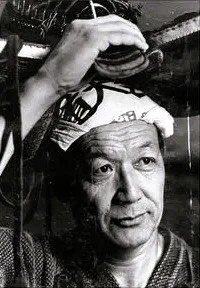
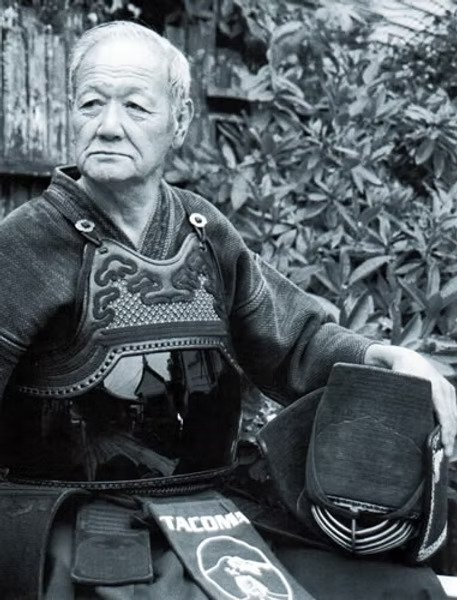
Rod Nobuto Omoto Sensei (1918–2013) was a foundational figure in the development of kendo in the Pacific Northwest and a central influence in the lineage of our dojo.
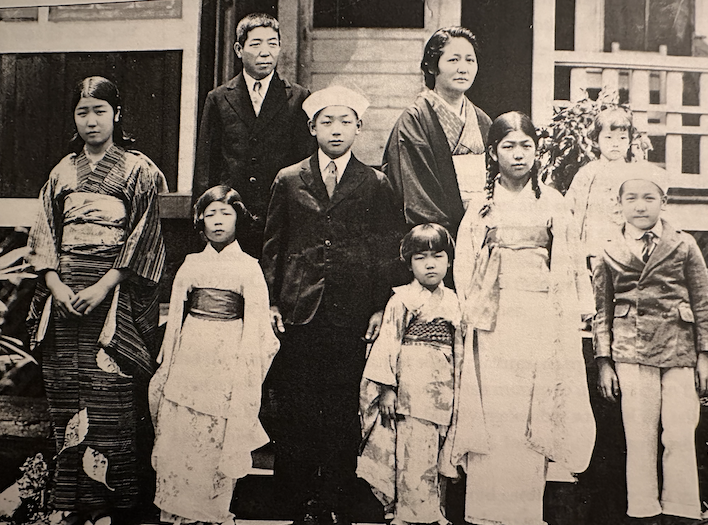
Born in Wahiawa, Hawai‘i, Omoto Sensei began practicing kendo at the age of fourteen. His early dedication led him to Japan, where he trained at the prestigious Budo Senmon Gakko (Busen) in Kyoto under renowned teachers, including Ogawa Kinnosuke Sensei.
His training was shaped not only by rigorous technical instruction, but also by deep exposure to Japanese culture, discipline, and the philosophy of budo. These experiences would later define his approach to teaching and his understanding of kendo as more than just a martial art.
During World War II, Omoto Sensei served in Japan, later working as a translator for occupation forces due to his fluency in English.
After the war, despite restrictions on martial arts practice, he remained committed to kendo and continued training whenever possible.
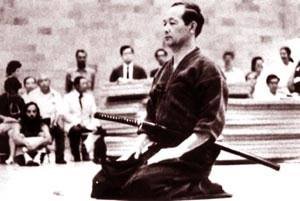
In 1960, he returned to the United States and eventually settled in Tacoma, Washington. There, he began teaching kendo and played a key role in rebuilding and expanding the art in the region. He helped develop programs through the Tacoma Buddhist Temple, taught widely throughout the Northwest, and contributed to the growth of kendo in both community and academic settings.
Omoto Sensei was:
Founding Charter President of the Washington State Kendo Federation (now the Pacific Northwest Kendo Federation)
A founding contributor to the University of Washington Kendo Club
Head instructor of the Tacoma Kendo Club in the postwar era
Through these efforts, he helped establish the foundation upon which many dojos, including ours continue to build upon.
Teachings and Philosophy
Omoto Sensei taught that kendo is not simply the practice of technique, but a lifelong path of personal development. His instruction emphasized that true progress in kendo comes from cultivating one’s character, mindset, and relationship with others.
A central idea in his teaching was that “kendo is sharing.” Practice was not about defeating an opponent, but about working together to improve. Through each exchange, both practitioners contribute to one another’s growth. This perspective fostered a dojo environment rooted in mutual respect, sincerity, and humility.
He encouraged students to approach training with honesty and self-reflection. Rather than focusing only on winning or rank, Omoto Sensei emphasized:
Practicing with a sincere and open heart
Maintaining a positive attitude, even in difficulty
Learning from every partner and every encounter
Striving for continuous improvement, both inside and outside the dojo
His teaching also reflected a deep understanding of balance between intensity and control, effort and awareness. He believed that strong technique must be supported by a calm mind and a generous spirit.
Students remember that his presence in the dojo set the tone: disciplined yet encouraging, demanding yet deeply supportive. Through this approach, he shaped not only skilled kendoka, but thoughtful and respectful individuals.
Legacy
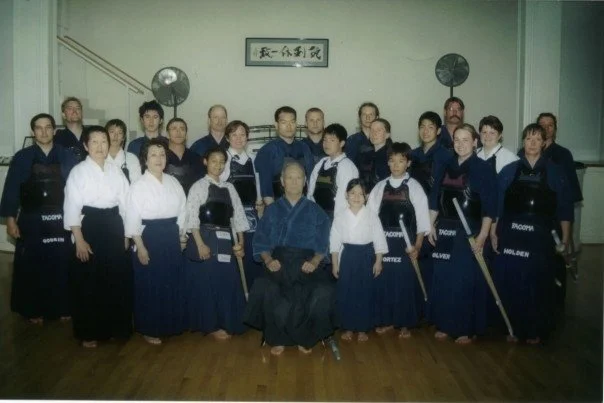
The legacy of Omoto Sensei extends far beyond his own practice. Through decades of teaching, organizing, and mentoring, he helped establish the foundation of kendo in the Pacific Northwest.
His influence can be seen in the many dojo that trace their lineage to his instruction, as well as in the regional organizations he helped build. These structures continue to support and connect practitioners today, carrying forward the community he worked to create.
Equally important is the intangible legacy he left behind—the values and spirit that continue to guide training. His emphasis on respect, sincerity, and shared growth remains central to the way kendo is practiced within his lineage.
Through his students, including Moki Yoshikawa Sensei, his teachings were passed on and adapted for future generations. Each generation carries forward not only the techniques they learned, but also the mindset and philosophy that define the tradition.
Today, his influence lives on in every keiko, in every student who steps into the dojo, and in the ongoing commitment to train with purpose and integrity.
Our dojo is part of this living legacy. Through our practice of kendo and Iaido, we continue to uphold the principles that Omoto Sensei dedicated his life to teaching.
We train not only to improve ourselves, but to honor the generations who came before us and to carry their teachings forward.
Sources & Acknowledgments
This page is based on historical materials, writings, and remembrances of Omoto Sensei, including:
Legacy obituary archives
University of Washington Kendo Club historical materials
Writings and reflections from students and affiliated dojos